by BHPH United - Posted 2 days ago
Online reviews are among the most influential factors
shaping consumer decisions in today’s digital marketplace. Whether it’s a
Google review, a star rating on your website, or customer testimonials featured
in advertising, reviews can significantly impact a dealership’s reputation and
sales.
But with that influence comes responsibility.
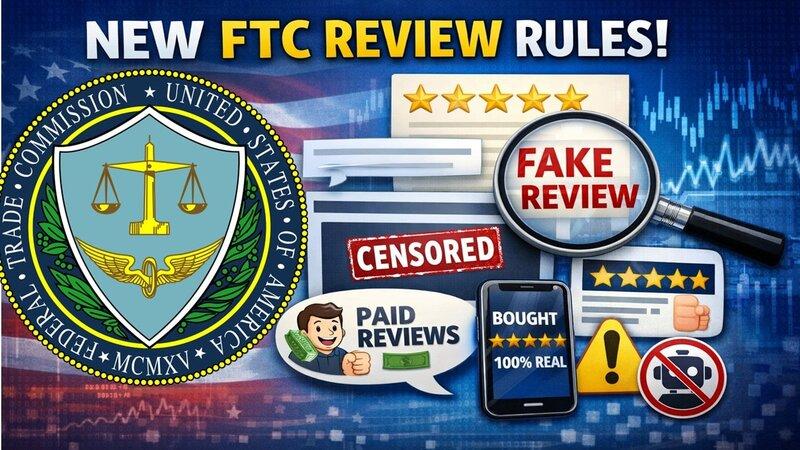
The Federal Trade Commission has made it clear that online reviews
and testimonials are advertising claims subject to specific
regulatory requirements under the FTC’s Consumer Review Rule.
What Is the FTC Review Rule?
In August 2024, the FTC finalized the Trade Regulation
Rule on the Use of Consumer Reviews and Testimonials, commonly known as the FTC
Review Rule. The Rule took effect on October 21, 2024, is codified
at 16 CFR Part 465, and gives the FTC explicit authority to
seek civil penalties for knowing violations involving deceptive
reviews and testimonials.
The Rule requires dealerships to carefully
evaluate what reviews are used, who is posting them,
and how they are presented to consumers.
Key Prohibitions Every Dealership Should Understand
1. No Fake or False Reviews
The Rule prohibits creating, selling, buying, or
disseminating fake or false consumer reviews or testimonials. This includes
reviews generated by AI or reviews that misrepresent a reviewer’s experience.
Prohibited reviews include those that:
If a review is posted at a dealership’s direction by
someone who never actually engaged with the dealership, that practice likely
violates the Rule.
2. No Conditional Incentives Based on Sentiment
Businesses may not offer compensation or
incentives conditioned on the content or sentiment of a review, positive
or negative.
For example, statements such as, “Leave us a 5-star review
and receive a gift card” are expressly prohibited.
3. Insider Reviews Must Be Fully Transparent
Reviews or testimonials from employees, agents, officers,
or managers must include clear and conspicuous disclosure of the
reviewer’s relationship to the business.
This requirement can also apply when friends,
acquaintances, or colleagues post reviews on a dealership’s behalf, even if
they are not on payroll. The Rule further prohibits a business from publishing
insider reviews if it knew—or should have known—that required disclosures were
missing.
4. No Misrepresenting Control Over Review Platforms
If a business creates or controls a website, platform, or
page that appears to provide independent consumer reviews, it must not
misrepresent that independence.
This is particularly relevant when dealerships embed or
curate reviews in a way that makes them appear third-party or unbiased when
they are not.
5. No Review Suppression
The Rule prohibits:
Selective presentation that misleads consumers is a
compliance risk.
The FTC Means Business
On December 22, 2025, the FTC announced that it
sent warning letters to 10 companies regarding potential violations
of the Review Rule, signaling that enforcement is underway.
According to the FTC, the warning letters addressed
concerns that:
The FTC emphasized that continued noncompliance could lead
to civil penalties of up to $53,088 per violation and additional
legal action.
This development makes one thing clear: the FTC is actively
scrutinizing real-world review practices across industries.
What Dealerships Should Do Now
To reduce regulatory risk under the FTC Review Rule,
dealerships should:
If you are unsure whether your current review practices
comply with the Rule or how to align your marketing strategy with FTC
requirements, consider consulting with a compliance professional experienced in
FTC advertising and consumer protection law, such as Steve Levine of
Ignite Consulting Partners.

BHPH United was formed for the sole purpose of providing education and resources to Buy Here Pay Here dealers. BHPH United and its partners are excited and passionate about the Buy Here Pay Here industry and believe the best way to support it is through current, relevant, and comprehensive education.