


Audit readiness is not a one time event. It is a daily discipline that protects your buy here pay here dealership, your customers, and your profitability. Our Buy Here Pay Here Audit Preparedness Training shows owners, managers, and frontline teams exactly how to organize records, prove compliance, and demonstrate strong controls when regulators, attorneys, banks, or investors review your store. From credit application through payoff and every step in between, you will learn how to document decisions, monitor risk, and remediate gaps fast.
The program is built for real store conditions and includes practical checklists, file structure standards, and sample audit trails. Whether you operate a single lot or multiple rooftops, you will gain a repeatable process that reduces findings, shortens exam time, and improves customer outcomes. For a broader learning path, explore related resources such as BHPH Compliance Education and BHPH Operations Training.
Well designed audit readiness pays for itself. Deal jackets move faster. Collections conversations are documented correctly. Charge offs and repossessions follow policy. Your data matches your contracts and your communications. This training connects the dots across sales, underwriting, accounting, collections, servicing, and leadership so your team can prove what they do, why they do it, and how they control risk. For more insights, visit the Blog or learn about our BHPH Operations Best Practices.

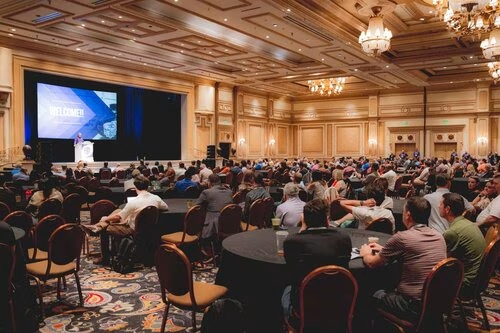
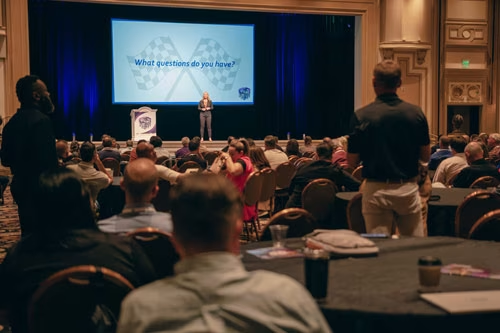
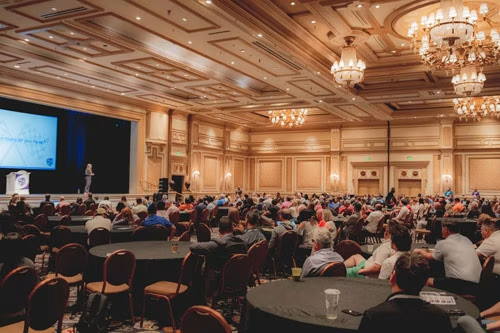
Audit preparedness means your dealership can quickly produce accurate, complete, and consistent evidence that your people follow written policies and that your controls work. It covers everything from identity verification and deal structuring to payment posting, insurance tracking, default management, repossession, and customer communication. It also includes the way you safeguard data, manage vendors, and handle complaints. A prepared store knows where each record lives, how it connects to policy, and how to fix gaps before they become findings.
In 30 days, standardize file structure, verify core policies exist and are current, and begin internal sampling across a small set of deals. In 60 days, expand sampling, reconcile system data to contracts, and correct exceptions with documented remediation. In 90 days, perform a mock exam, capture lessons learned, and formalize ongoing quarterly reviews. The training provides step by step guidance for each phase.
Most findings come from inconsistent documentation, missing explanations for exceptions, and data mismatches across systems. Another common issue is an incomplete communications log, especially when teams use text, chat, and email without a unified record. The training addresses these gaps with a unified file index, documentation standards, and a communications capture protocol to ensure your store can show facts quickly and consistently.
Audit readiness reduces rework, shortens funding cycles, and improves customer outcomes. Clean files and consistent practices allow your staff to spend more time selling, serving, and collecting. Tighter controls also reduce charge offs by catching risks earlier, and they enable better pricing and capital terms. When you can prove performance and controls, you earn better trust from lenders, insurers, and partners.
Strengthen your program with topic specific education and best practices from our library. These pages complement the audit curriculum and help your team mature controls in each function.
