


Used car dealer compliance education helps independent dealers protect their stores, customers, and portfolios. This page explains the core regulations, practical processes, and proven training paths that keep your team aligned with federal and state rules. Whether you sell retail, operate buy here pay here, or manage mixed models, you will find guidance to build a compliant sales process, accurate deal jackets, secure data practices, and fair collections. Explore checklists, policy examples, and links to deeper resources across our site to support daily operations and audit readiness. With the right training, you can reduce risk, avoid penalties, and strengthen customer trust while improving profitability. Use this page as your starting point for used car dealer compliance education and as a roadmap to more advanced workshops, industry insights, and role based development.
Compliance is a habit that grows with clear policy, repeatable training, and consistent validation. The resources below show what to teach, how to document, and which controls matter most for dealers of every size. Save this page, visit our related education paths, and keep building a culture that values accurate records, honest advertising, and customer protection.

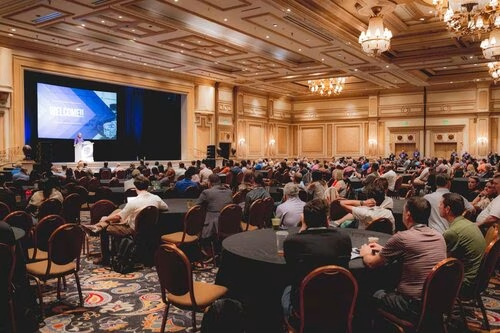
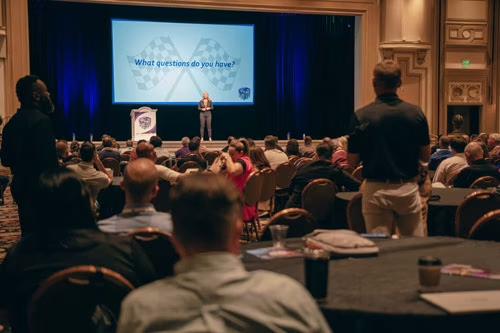
Compliance is not just about avoiding fines. Strong compliance improves customer experience, protects capital, and keeps growth plans on track. When sales, F and I, collections, and service teams share the same playbook, your store closes cleaner deals, handles data with care, and responds to complaints fast. A simple, well trained process helps managers coach new hires and sustain consistent results across locations.
Every independent dealership should align training to a few core pillars. These pillars create the structure for daily procedures, documentation, and internal reviews.
A practical curriculum turns complex regulations into step by step tasks for front line staff. Focus on plain language, checklists, and examples that reflect your paperwork and software. Reinforce with quick refreshers and spot checks.
State rules vary on forms, taxes, registration, title timing, and fees. Build a state specific checklist that maps each line item to a responsible role. Maintain a model deal jacket for cash, finance, and buy here pay here. Run a monthly spot audit of randomly selected files and document findings with action items. Good files tell a clear story and match disclosures to the retail contract, retail installment contract, and any addendum.
All ads must present total price, payment terms, and material conditions clearly. If you advertise payments, be sure the terms reflect realistic down payment, term, and rate assumptions used in store. Train staff to match in store quotes to advertised offers and to record any exceptions. Monitor online listings for accuracy and correct issues fast.
Ethical collections protect customers and limit loss. Define call frequency, tone, documentation, extensions, and payment arrangements in policy. Train on do not call rules, time of day limits, and dispute handling. Repossession should follow policy that honors notice, cure periods, property handling, and personal item recovery. Document every step and keep a clear path from delinquency to resolution.
Customer data deserves layered protection. Limit who can access credit reports, payment tokens, and deal docs. Use strong passwords, multi factor logins, and role based permissions. Encrypt data at rest and in transit where possible. If you accept card or ACH, follow processor rules and secure storage for any printed documents. Train staff to avoid sharing credentials, to lock screens, and to report suspicious emails.
Used car dealer compliance education must address unique in house financing needs. Consistent underwriting, verification, and payment processing reduce risk and increase portfolio performance. Collections standards should match policy with exception tracking. These resource pages provide deeper dives:
The best training program is simple, role based, and measured. Build your curriculum around what a salesperson, F and I manager, title clerk, collector, and general manager must do every day. Align the tools they use with the steps you require and track completion. Keep it fresh with micro lessons and short scenario drills. Reinforce with monthly file reviews and periodic policy updates.
Audit readiness starts with a clean process. A concise internal review routine will catch issues early and create a record of corrective action. Use a rotating audit calendar so each department is reviewed at least once per quarter. Store findings in a shared log, assign owners, and track resolution dates. Keep sample files that show perfect execution so teams have a visual standard.
The right software can guide disclosures, lock forms, and store audit trails. Configure your desking, contracting, and DMS tools to default compliant terms, require missing fields, and capture e signatures with timestamps. Limit permissions by role. Set alerts for expiring forms and for unusual deal structures. Evaluate vendors for data security practices and document that review.
Most compliance problems come from inconsistent training, undocumented exceptions, or tools left in a default state. A few routines will prevent repeat issues. Post your one page compliance checklist at every desk. Use a deal kickout list that flags missing documents before funding. Keep a policy mailbox where staff can ask questions and share edge cases to inform updates.
Build a full learning path by combining foundation topics with specialized workshops. Explore practical training, peer insights, and region specific sessions that match your store profile. The pages below offer structured modules and real world examples dealers can apply right away.
For ongoing updates, event education, and practical articles, bookmark these pages and share them with your team.
Choose one department to start, publish a one page checklist, and run a two week sprint to close the biggest gaps. Expand to other teams once the first routine is stable. Track progress with a simple dashboard and celebrate clean files and audits. Continue learning with new articles on blog and explore deeper workshops on dealer-workshops-and-training. For broader programs across leadership, sales, and operations, visit dealer-professional-development-training and dealer-industry-insights-education.
